The best backyard ideas don’t serve a single moment in time. These spaces serve a family across decades, adapting as the people who use them grow, change, and bring new generations into the mix. A backyard designed only for the way your family lives today is a backyard you’ll be retrofitting in five years.
This is the challenge at the heart of multigenerational outdoor design, and it’s one Creative Environments has been solving for over 75 years. How do you create a space that’s genuinely safe and engaging for a three-year-old, genuinely comfortable and accessible for a grandparent, and genuinely sophisticated enough to satisfy adults who’ve invested in a luxury property?
The answer isn’t compromise. It’s an intelligent zone-based design that allows every generation to find their place without any single user group defining the space at the expense of the others.
Here’s how it works in practice.
Why Multigenerational Design Is Having a Moment
Arizona has always attracted multigenerational households. The climate supports year-round outdoor living in a way that few regions can match, making the backyard a genuine gathering place rather than a seasonal amenity. Extended family visits last longer here. Grandparents relocate to be closer to grandchildren. Adult children building new homes choose lots near their parents.
What’s changed in 2026 is the design ambition behind these spaces. Families are no longer willing to accept a backyard that works for some members and tolerates others. The aging-in-place movement has elevated expectations for accessibility and comfort in outdoor environments.
The wellness trend has introduced dedicated retreat spaces that serve adults in ways a traditional patio never could. And a generation of parents who grew up watching their own backyards go underused are now determined to build outdoor spaces their children will actually want to spend time in.
The result is a new design brief: build one cohesive outdoor environment that genuinely works for everyone, at every stage of life.
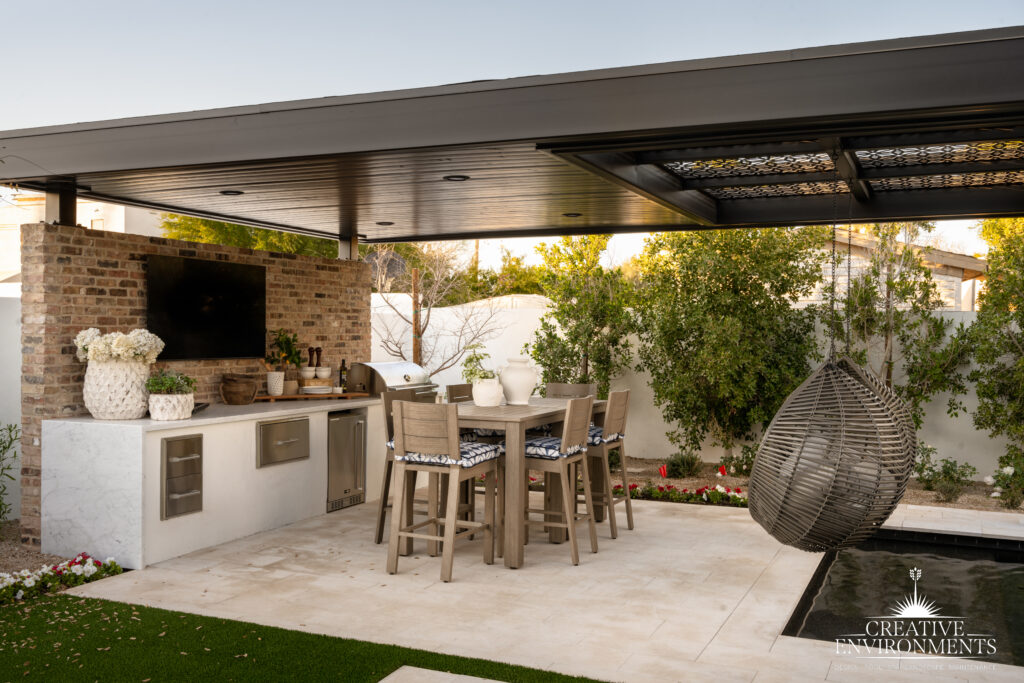
Designing for the Youngest Users: Toddlers and Young Children
Children transform how a backyard gets used. They introduce safety considerations that don’t exist for adults, they require spaces that engage their attention and support active play, and they spend far more time at ground level than anyone else in the household. Designing well for young children means thinking carefully about water, surfaces, shade, and sightlines.
Sun Shelves and Baja Steps
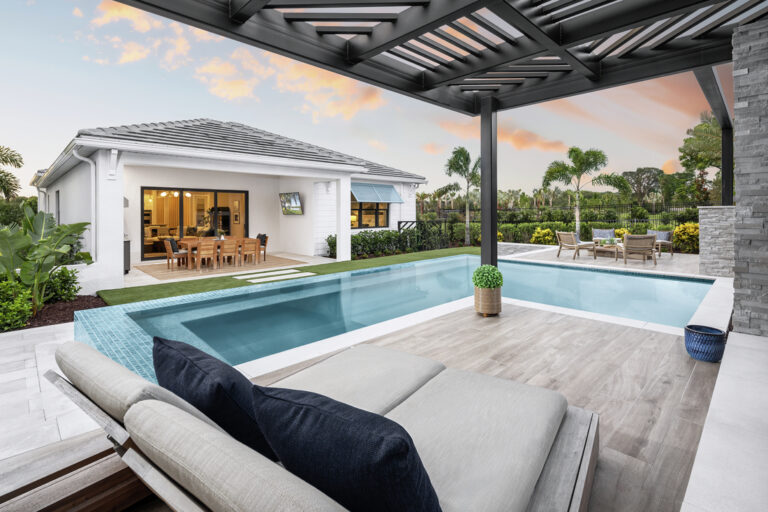
The single most impactful pool feature for families with young children is the sun shelf, sometimes called a tanning ledge or Baja step. This shallow platform, typically six inches deep, extends from the pool’s interior wall and creates a zone where small children can play in moving water without any risk of submersion. They can sit, splash, and wade, all while parents relax nearby in full sight.
Sun shelves do double duty across generations. For toddlers, they’re a safe entry point into the pool environment. For parents, they’re a place to lounge partially submerged on a hot Arizona afternoon. For grandparents, they offer a comfortable way to enjoy the pool without committing to a full swim.
When planned as part of a comprehensive pool design rather than added as an afterthought, a sun shelf can be sized and positioned to enhance the pool’s overall composition. A well-designed shelf reads as an architectural feature, not a concession.
Surface Materials and Safety
Children run. They fall. They approach pool edges at speeds that make adults nervous. Selecting the right hardscape materials for family-oriented outdoor spaces means prioritizing surfaces that minimize injury risk, without sacrificing the refined aesthetic a luxury property demands.
Honed or brushed stone finishes offer better traction than polished surfaces and age more gracefully in Arizona’s intense sun. Textured porcelain pavers provide slip resistance while maintaining a clean, contemporary look. At pool edges, coping profiles with rounded or eased edges reduce the consequence of an accidental contact.
These aren’t design compromises. They’re design decisions that simply require attention earlier in the process, when material palettes are being established rather than after construction is underway.
Shade and Play Zones
Young children have limited heat tolerance, and Arizona summers are unforgiving. A family-oriented outdoor space needs meaningful shade coverage within the areas children are most likely to occupy. This means shade structures that extend over play zones and pool entries, not just over the adult dining and lounge areas where shade tends to be concentrated by default.
A dedicated play zone positioned within sightlines from the kitchen and primary lounge area allows children to engage in independent activity while adults maintain easy supervision. When this zone is planned as part of the overall landscape composition from the start, it integrates naturally. When it’s addressed after the main design is complete, it often ends up awkward in its placement and disconnected from the rest of the space.
Backyard Ideas for Teens: Social Space and Independence
Teenagers use outdoor spaces very differently from young children, and differently again from adults. They want a social space that feels like their own, not a children’s area they’ve aged out of or an adult entertaining zone they’ve been absorbed into. They want places to gather with friends that offer some degree of separation from the main household activity.
This is where thoughtful spatial planning pays dividends. An outdoor space with clearly defined zones, each with its own character and purpose, can accommodate a teenager’s social needs without those needs dominating the environment.
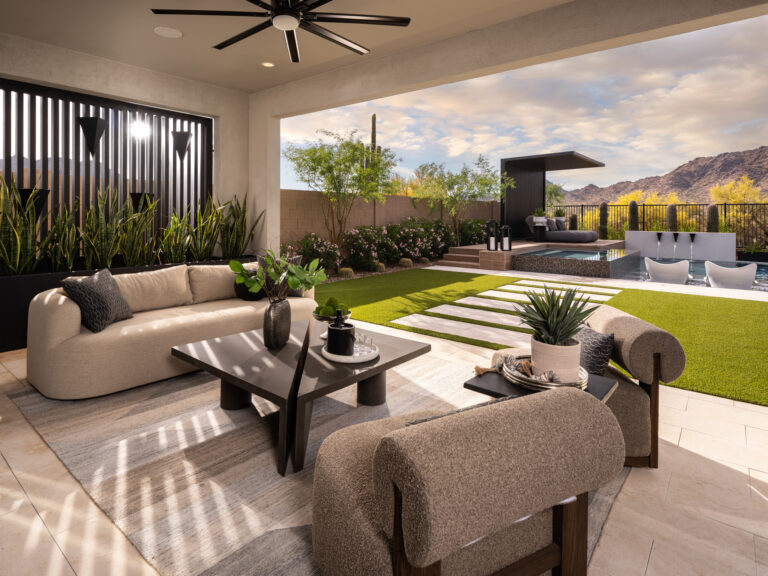
A poolside lounge area with comfortable seating, good lighting, and access to music creates a gathering point that serves teens independently while remaining within easy reach of the kitchen and main entertaining area. A sport court, putting green, or pool table under a pergola gives a different outlet. The specific amenity matters less than the principle: design a zone where teenagers feel the space is genuinely theirs, and they’ll use it.
The added benefit of designing these spaces intentionally is that they don’t become obsolete. A lounge zone that serves teenagers today serves adult children tomorrow and adult guests the year after that. The investment outlasts the phase.
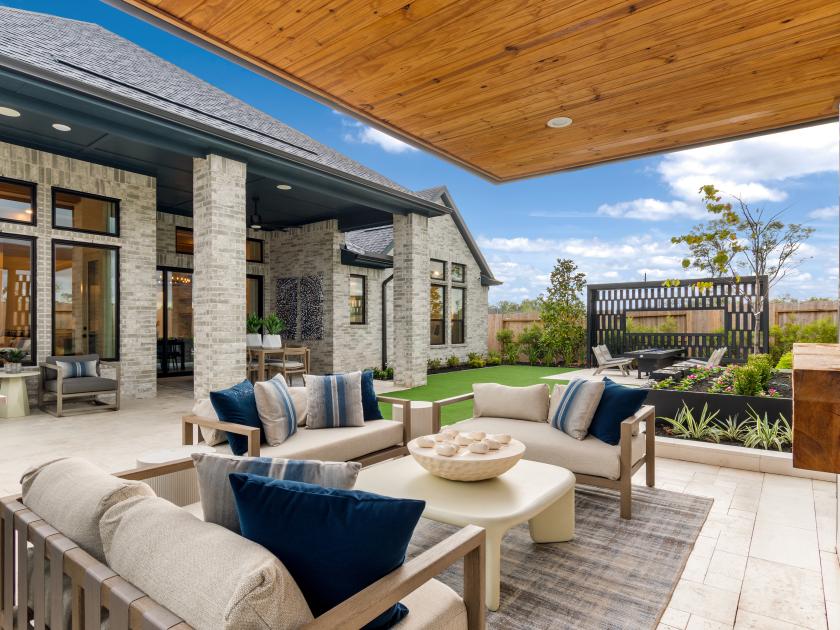
Designing for Adults: Entertaining, Cooking, and Everyday Life
The adult entertaining zones of a multigenerational outdoor space carry most of the design weight. They’re the areas that guests see first, that anchor the visual composition of the backyard, and that get the most consistent year-round use in an Arizona climate where the outdoor season runs essentially twelve months.
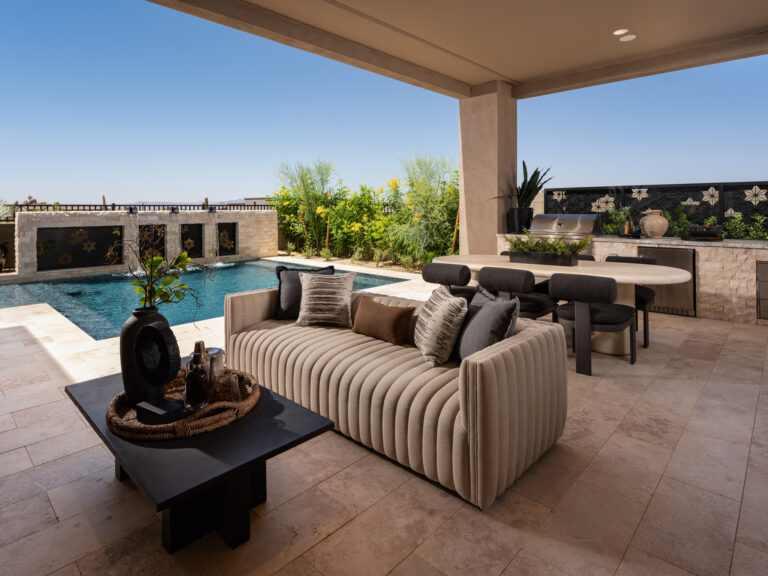
At Creative Environments, we typically organize the adult core of a family-oriented outdoor space around three interconnected zones: the cooking area, the dining pavilion, and the primary lounge.
The cooking zone needs to work as a professional workflow, with counter space, appliance placement, and utility access designed for serious entertaining. Arizona families with multigenerational households often entertain at scale, and an outdoor kitchen designed for two people grilling casually will fall short when twenty guests are expected for a Sunday gathering.
The dining pavilion benefits from a shade structure that defines the space architecturally and extends usability through Arizona’s warmer months. A covered dining area with integrated misting and overhead fans transforms from a bright afternoon lunch space into a comfortable evening dining room as the light changes.
The primary lounge, anchored by a fire feature in cooler months and oriented toward the pool in warmer ones, is where the evening arc of a gathering resolves. Furniture placement, lighting design, and the positioning of the fire element all contribute to whether this zone encourages guests to linger or inadvertently signals that the evening is winding down.
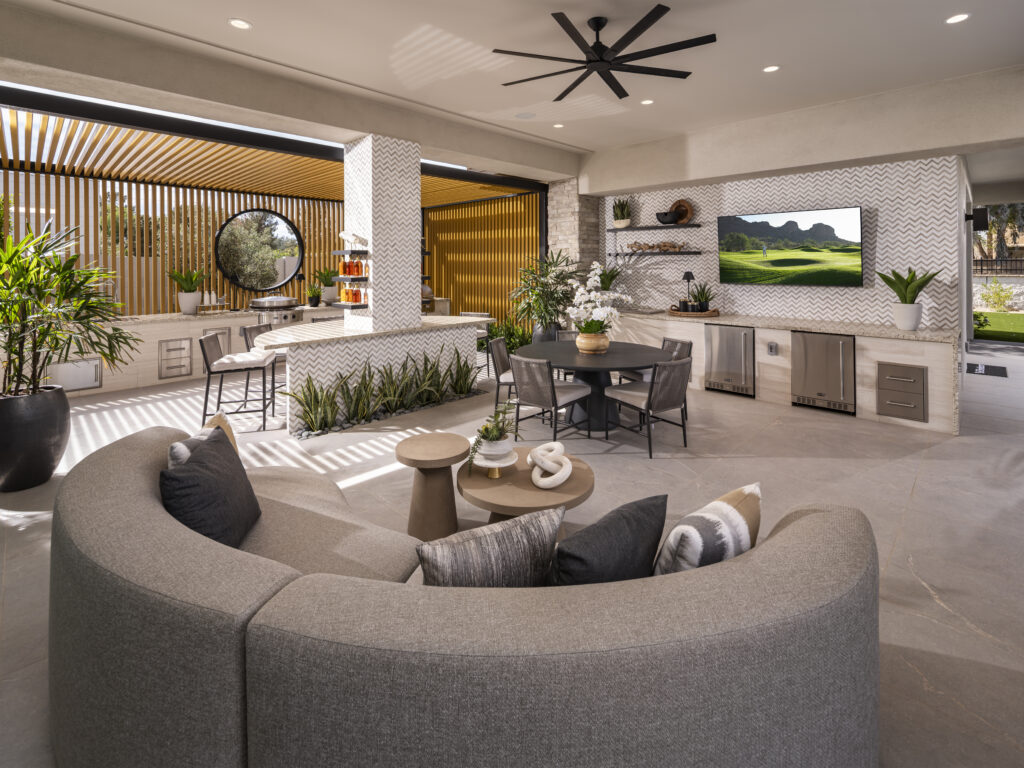
Designing for Grandparents: Accessibility, Comfort, and Dignity
Accessible design for older adults is one of the most underserved areas in luxury outdoor living, and one of the most important. An outdoor space that a grandparent cannot navigate comfortably, or that feels designed for a physical capability they no longer have, is one they’ll avoid. And an outdoor space where grandparents feel excluded is failing its multigenerational brief entirely.
The good news is that the design features that make outdoor spaces more accessible for older adults also make them better for everyone. Wide, level pathways are easier for grandparents with mobility aids and more graceful for guests in evening wear. Generous seating with supportive back heights accommodates older adults and adults who simply want to sit comfortably for a long evening. Consistent lighting along pathways reduces fall risk for everyone moving through the space after dark.
Pool Entries
Pool entry design is particularly important for older adults. A traditional ladder entry requires upper body strength and a degree of balance that diminishes with age. A gradual entry, beach entry, or steps with a handrail integrated into the pool’s design provides a dignified, comfortable way into the water that works across generations.
When these entry features are designed as part of the pool’s overall architecture rather than added for accommodation, they read as intentional design decisions rather than accessibility concessions. Some of the most beautiful pool entries in Creative Environments’ portfolio are also the most universally accessible, because the design team treated entry experience as an architectural opportunity from the beginning.
Shaded Retreat Spaces
Older adults often want a quieter, cooler alternative to the primary lounge zone, particularly when that zone is populated by active children and social activity. A shaded retreat area, positioned with some separation from the main entertaining core but still connected to the overall landscape, provides exactly that option.
This space might incorporate a small water feature for acoustic calm, comfortable seating oriented toward a garden view, and shade coverage that provides relief from direct sun through most of the day. It doesn’t need to be large to be effective. It needs to feel intentional, well-made, and genuinely inviting.
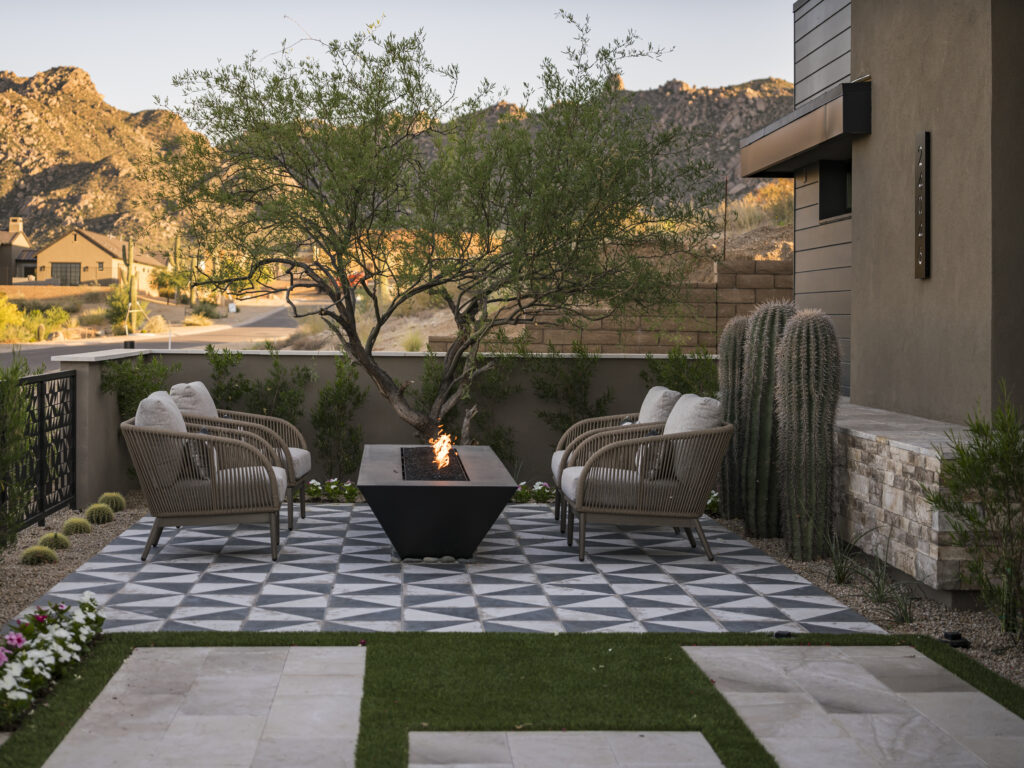
The Wellness Zone: Serving Every Generation Differently
The outdoor wellness zone is the newest addition to the multigenerational design brief, and one of the most versatile. A dedicated space for physical and mental restoration serves every member of the household, but in different ways and at different times.
For parents, it might be a spa positioned for morning use before the household wakes up, or an area of the garden quiet enough for meditation or yoga. For grandparents, hydrotherapy in a well-designed spa provides genuine physical benefit, from circulation support to joint relief. For teenagers and young adults, a cold plunge adjacent to the spa creates a contrast therapy option that has moved from elite athletic facilities into residential design in recent years.
When a wellness zone is integrated into the master plan from the beginning, it can be positioned and designed to serve multiple users without competing with the primary entertaining core. It occupies its own acoustic and visual space, connected to the overall environment but distinct from it.
Thoughtful planting around the wellness zone contributes both to privacy and to the sense of enclosure that makes a retreat feel genuinely restorative.
Community Design at Scale: Lessons From Creative Environments’ Broader Portfolio
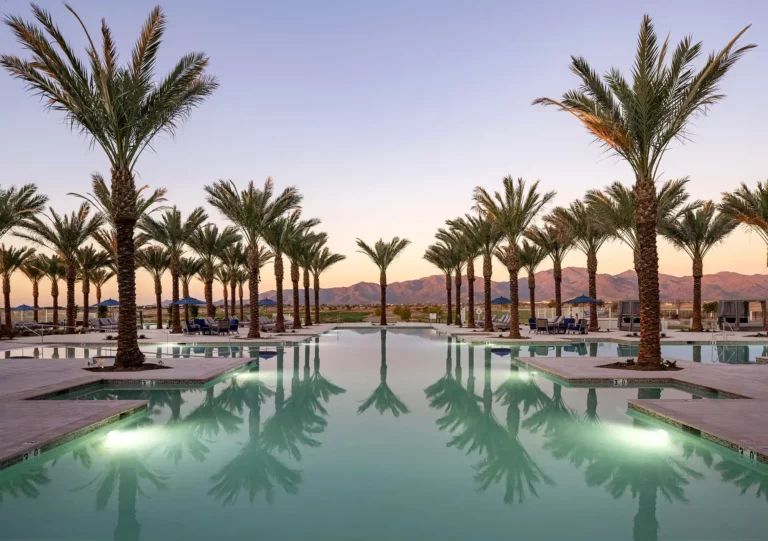
One of the advantages of working with a firm that operates across residential, commercial, and community project types is the depth of insight that comes from designing at every scale. Creative Environments’ work on community pool complexes, clubhouse landscapes, and amenity centers for master-planned developments has sharpened our understanding of how diverse user groups occupy shared outdoor space simultaneously.
The design principles that make a community amenity center function well, with clear zones for active play, social gathering, quiet retreat, and wellness, are the same principles that make a family backyard work for four generations at once. The scale is different. The human dynamics are the same.
This perspective informs every family-oriented residential project we undertake. We don’t just ask what features you want. We ask how your family actually moves through space, and we design a space that honors that movement while creating room for the ways your family will evolve.
A fantastic example of this versatile and custom approach is the Sable Crest Manor.
Starting the Conversation With Jaw-Dropping Backyard Ideas
The most important thing to know about multigenerational outdoor design is that it requires a conversation, not a checklist. There’s no standard configuration that works for every family, because no two families have the same composition, the same use patterns, or the same vision for how they want the space to feel.
What Creative Environments brings to that conversation is 75 years of experience translating how families live into outdoor environments that serve them across time. Our 3D design process allows you to see how the zones of your outdoor space will relate to each other before construction begins, giving your whole family a chance to weigh in on a vision they can actually see.
For more information, help getting started or simply to book a consultation, contact us today. Our team of experts are here to guide and support you every step of the way.
The best family backyard isn’t one that works for the youngest member or the oldest. It’s one that makes every person in it feel the space was designed with them in mind.
Creative Environments has served Arizona families since 1950. With 65+ industry awards and an in-house design-build team, we create outdoor environments that grow with the people who live in them. Serving Scottsdale, Paradise Valley, Tempe, Phoenix, and the greater Valley.